
The Healing Circle
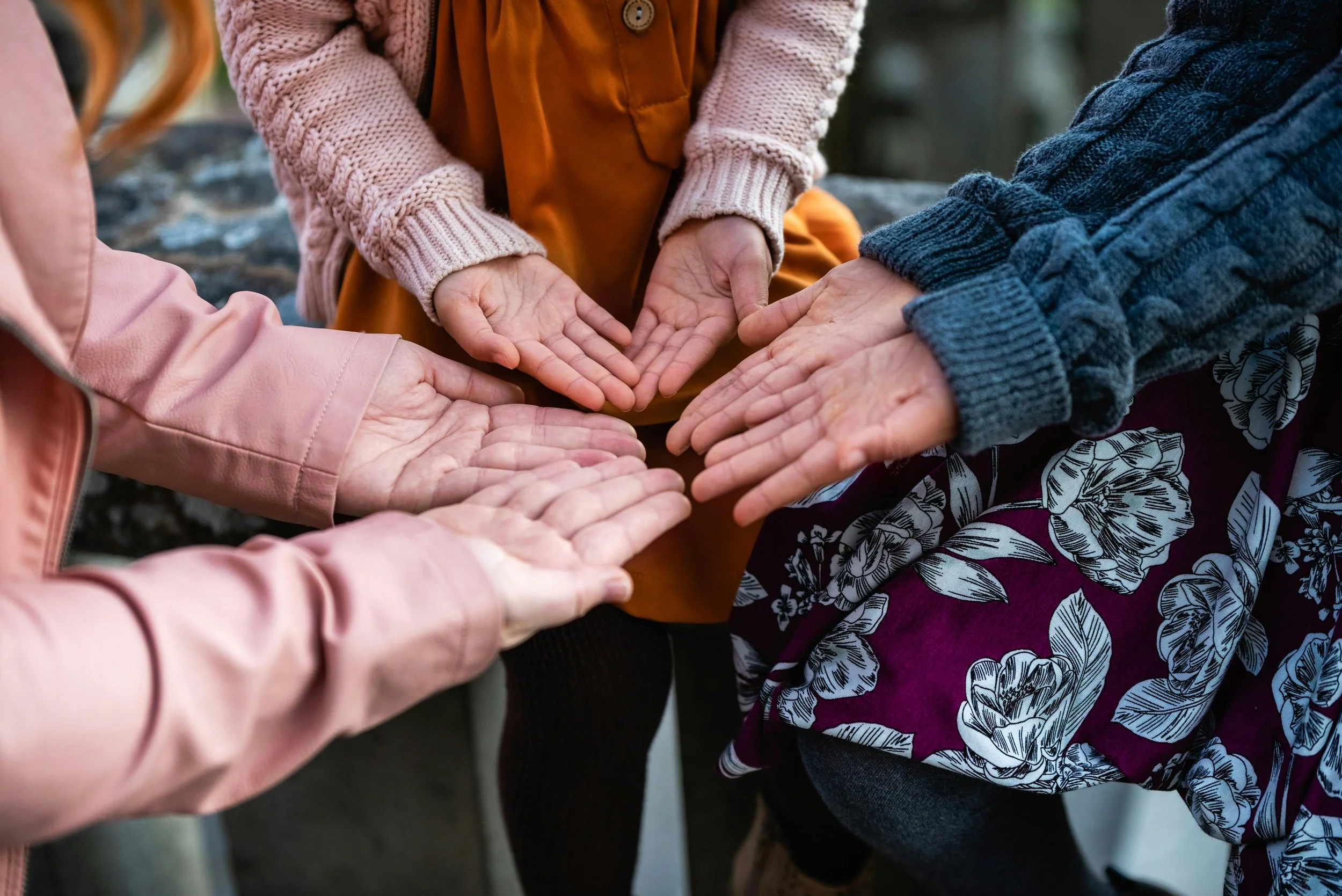
“A group of women can constellate a Mother morphic field when we gather together in a sacred circle. We create a 'temenos,' which means 'sanctuary' in Greek. In a women's circle, every woman in the circle is herself and an aspect of every other woman there as well. There is no vertical hierarchy in a circle, and when a circle is a temenos, it is a safe place to tell the truth of our own feelings, perceptions, and experiences.”
– Jean Shinoda Bolen
The circle is an ancient symbol that denotes continuation, movement, connection, and wholeness. It embodies the essence of the infinite nature of existence. When you attune to the energy present within this source of totality, you can more easily embrace your challenges with the understanding of the greater container available for healing. In other words, the circle helps you to recognize that you are not alone.
Find a circle. If you can’t find one, start one. All it takes is a minimum of five self-aware people, who desire to come together to support one another’s life journey. When you commit to gathering the right beings to engender this sacred sphere, you embark on a deep process of holding space and attending to one another’s emotional needs with empathy and love. The healing effects are multiplied within this container of compassionate attention. Meeting regularly and connecting it to Earth’s seasons is satisfying, as the cycles of the year reflect the constancy of your own inner rhythms.
Some good rules to follow when forming a supportive circle:
Create a space that inspires each person to attend to personal growth and empowerment. Having a dedicated cloth and candle offers a boundary to contain the energy.
Hold the circle as a sanctuary of loving acceptance and support for one another, allowing each other to be vulnerable.
Each time you meet have a different person lead and share a practice or activity that’s in alignment with the season.
Give each person time to share about whatever feels needed.
Mindfully listen to each other, without expectations, judgments, or unsolicited advice.
Thoughtfully voice compassionate responses, when welcomed to do so.
Informal circles that gather for support through the ordinary ups and downs of life should comprise of members who are able to be empathetic, self-reflective, and not actively in the throes of trauma. If you need a support group to confront active trauma, please do so under the guidance of a compassionate, competent therapist.