
Why Healing with Nature is so Powerful for Trauma and Anxiety
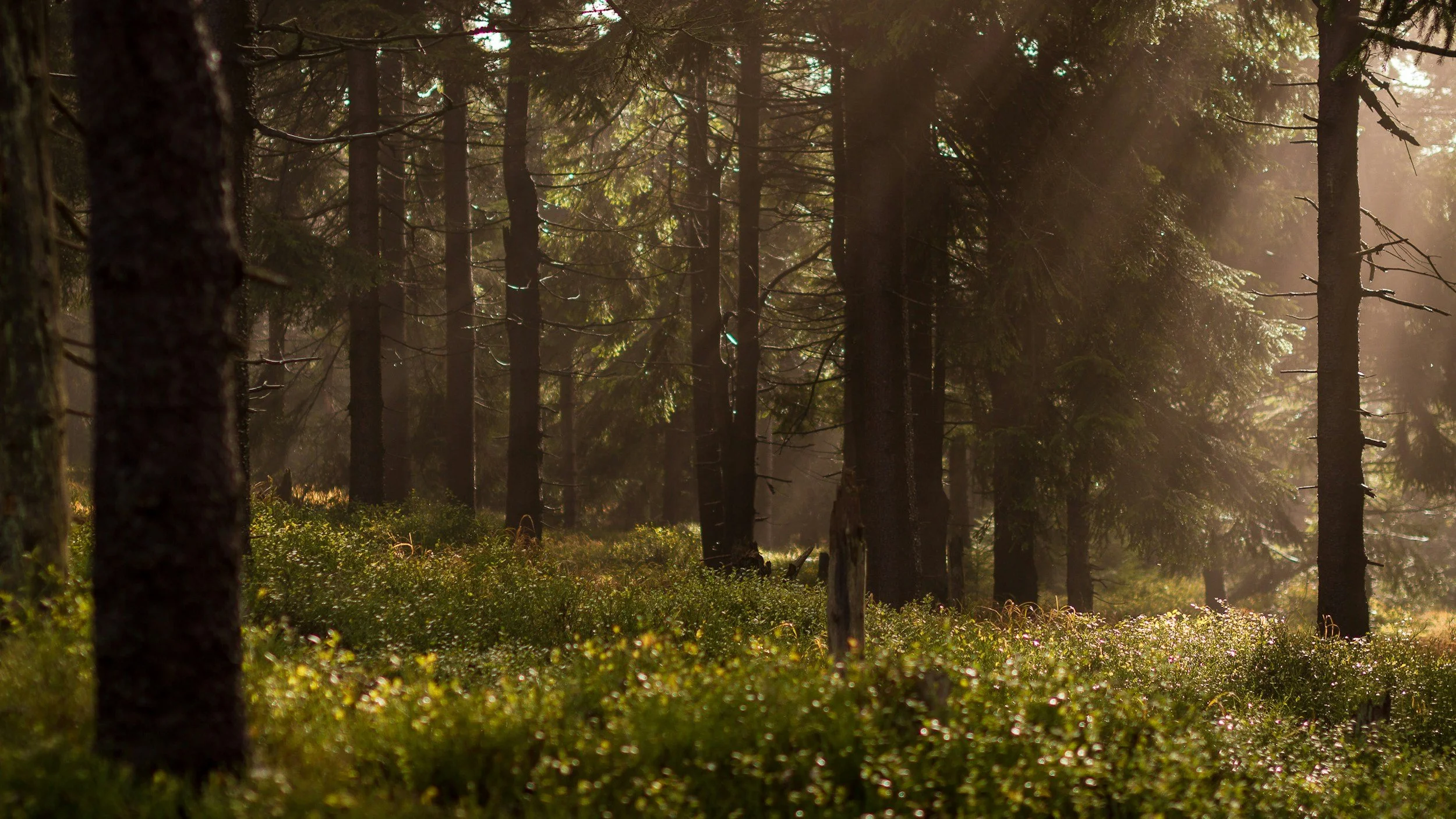
Discovering the gentle medicine of the natural world and how outdoor spaces support nervous system regulation and emotional wholeness.
I've always believed my greatest teacher has been Nature. Always available, deeply supportive, and soulfully nourishing. When I needed to heal from my own childhood trauma, it wasn't just therapy rooms that called to me – it was the Trees, the Flowers, the Earth beneath my feet. There's something profound that happens when we step outside and truly connect with nature. Our nervous systems recognize something ancient and trustworthy.
If you're navigating trauma or anxiety, you've likely felt disconnected from your body, from safety, from the present moment. Nature offers a gentle path back. It doesn't demand that we perform or explain ourselves. It simply invites us to be, to breathe, to notice – and in that noticing, healing can unfold.
The Science Behind Nature's Healing Touch
While my relationship with nature has always felt intuitive, research increasingly validates what sacred indigenous wisdom has known for millennia: spending time outdoors profoundly impacts our mental and physical health.
Studies show that time in nature reduces cortisol levels – the stress hormone dysregulated by chronic anxiety or trauma. Blood pressure decreases. Heart rate variability improves. Even twenty minutes beneath a tree can shift our physiology from fight-or-flight into rest-and-restore.
For those working to heal from trauma, these represent real pathways toward feeling safe again. Nature doesn't ask us to talk about what happened. Instead, it offers a somatic experience – a felt sense of calm that words cannot reach.
How Nature Regulates the Nervous System
When we've experienced trauma, our nervous system can get stuck in hypervigilance or shut down. We're either scanning constantly for threats or numbing ourselves to avoid overwhelm.
Nature offers what trauma-informed practitioners call "gentle titration", small, manageable doses of presence that don't overwhelm our capacity. When you sit by a stream and listen to water moving over stones, your nervous system begins to entrain to that rhythm. When you watch clouds drift, your breathing naturally slows. These aren't techniques you have to force. They're the body's organic response to being held by something larger.
The Japanese practice of shinrin-yoku, or forest bathing, emerged from this understanding. It's simply about being present among trees, allowing your senses to absorb the environment. The phytoncides that trees release have been shown to boost immune function and reduce anxiety. Your body knows how to receive this medicine.
Scouting Outdoor Therapy Near You – and Within Yourself
If you're searching for "outdoor therapy near me," you're recognizing something important: healing doesn't only happen in clinical settings. Increasingly, therapists and coaches incorporate nature-based practices into their work, understanding that the outdoor environment itself is therapeutic.
I host periodic events and speak at retreats in Napa Valley, where we combine holistic healing practices with time in nature. Women gather in circles beneath the sky while the earth holds us. We walk among gardens, noticing how seasonal changes mirror our own cycles of growth and rest.
But you don't need to wait for a formal program. Outdoor therapy can be as simple as sitting with bare feet on grass, walking through a park and noticing tree bark textures, finding a quiet spot by water, or lying beneath branches and observing how leaves move.
The invitation is to bring intention to these moments. You're not just passing through nature – you're consciously choosing to connect with nature as an act of healing.
Nature as Mirror and Teacher
One of the most powerful aspects of healing in nature is how the natural world mirrors our own processes. Trees that appear dead in winter burst into bloom come spring. Flowers grow from mud. Seeds break open to become something new.
When I'm struggling with something heavy – those core wounds I've spent a lifetime tending – nature offers perspective without minimizing my pain. The ancient oak doesn't judge its difficult growth rings. It simply continues. There's wisdom in that steadiness.
This is why flower essences hold such potent healing energy. These natural remedies for mental health work on levels beyond our conscious understanding, supporting emotional balance and helping us process what words cannot reach.
Practical Ways to Begin
If you're feeling called to explore nature-based healing:
Morning ritual with the sun. Step outside for five minutes early. Notice how morning light feels on your skin. This helps regulate your circadian rhythm and signals safety to your nervous system.
Mindful walking. Walk for presence rather than exercise. Feel each footfall. Notice the air temperature. Listen to birdsong. Move at the speed of attention.
Seasonal awareness. Pay attention to what's blooming, falling away, and dormant. This helps us recognize that we, too, have seasons.
Collecting natural objects. Gather stones, leaves, or feathers that speak to you. Hold them when you need grounding.
Breathing with trees. Stand near a tree and imagine breathing in sync with it. This ancient exchange shifts us from isolation into relationship.
The Permission to Simply Be
Perhaps the most radical gift nature offers those healing from trauma is permission to exist without performing. The forest doesn't need you to be healed before you enter. The ocean doesn't require proof of progress. The garden welcomes you exactly as you are.
In a culture that treats healing like another task to optimize, nature invites a different pace. It reminds us that growth happens slowly, in layers. It teaches us that breaking open – whether seed or heart – is a necessity for new life.
When I encourage women in my retreats to spend time in nature, I'm inviting them to let the earth witness them, to allow their bodies to remember that they belong to this world.
Beginning Where You Are
You don't need wilderness access or hours of free time to receive nature's healing. Even urban environments offer pockets of green – a community garden, a tree-lined street, herbs on a windowsill. What matters is your willingness to pause and notice.
If you're navigating anxiety or working to heal from trauma, consider this an invitation. Step outside. Feel the ground beneath you. Look up at the sky. Place your hand on tree bark. These small acts of connection are foundational to your healing journey.
Nature indeed heals. Not by erasing what happened or fixing what feels broken, but by reminding us of our essential wholeness, our belonging, our capacity to grow toward light even when rooted in difficulty. The earth has been holding space for transformation since the beginning of time. All we have to do is show up and allow ourselves to be held.