
Grounding Into Nature: Evidence-Based Practices for Longevity
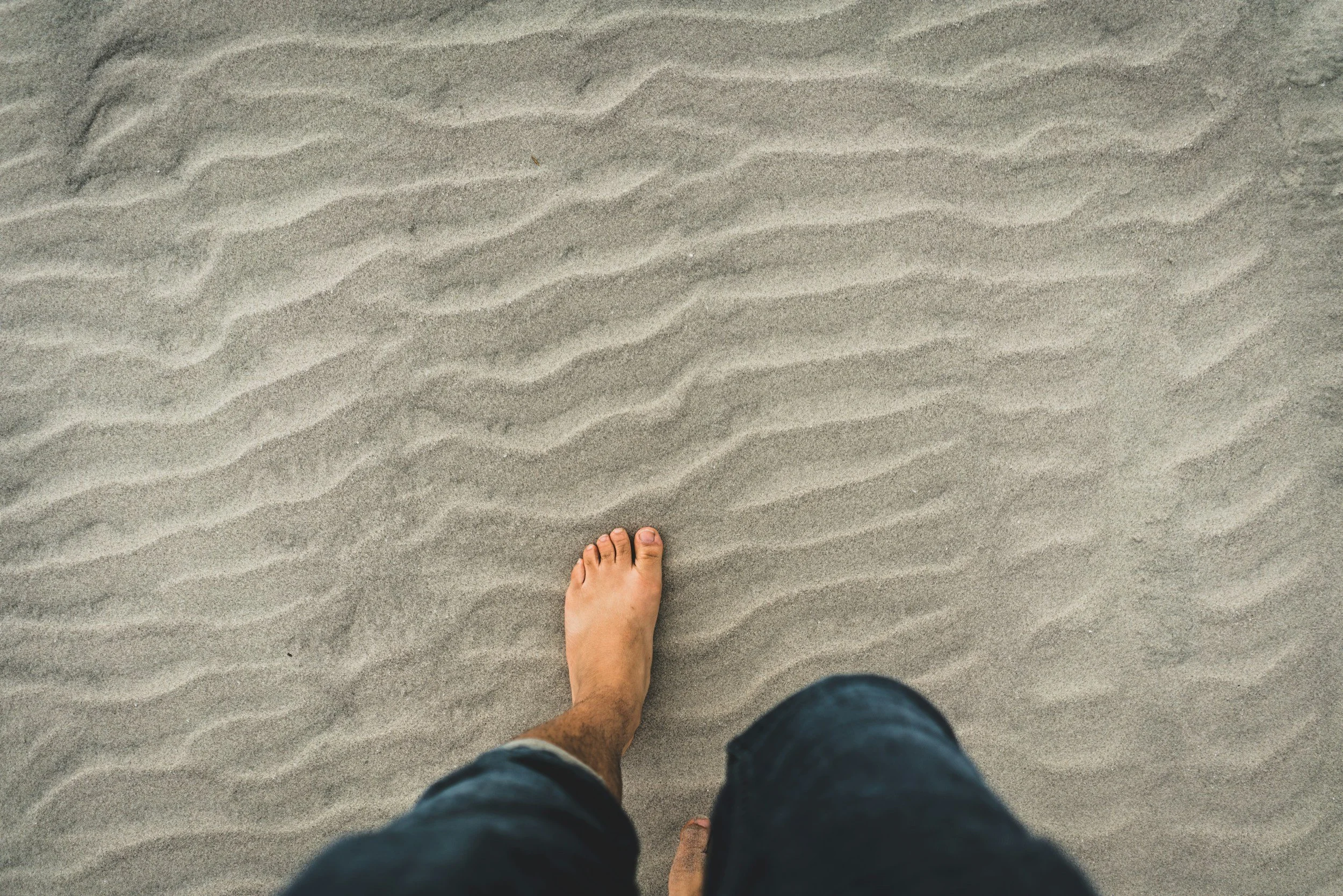
February. That liminal, longing edge of winter where the light begins its tentative return — and the body, if you are listening to it, begins to stir. This is the time of year I find myself drawn most powerfully to the earth. Not metaphorically. Literally. Fingers in soil, feet on cold grass, face turned toward the watery morning sun. Something primal is activated when we remember — in our cells, not just our minds — that we are made of the same stuff as the land we walk on.
The science of longevity has, for years, been obsessed with the genetics of aging — searching for the silver bullet in our DNA. But the most compelling evidence is pointing somewhere else entirely. It is pointing outside. Into the forest. Into community. Into the ancient human relationship with the living world that modern life has quietly severed. As someone who has worked in holistic healing for three decades, this convergence of ancient wisdom and cutting-edge biology is, simply put, thrilling.
What the Blue Zones Tell Us
The study of Blue Zones — those rare pockets of the world where people live the longest and age most vigorously — consistently reveals something that confounds the pharmaceutical mind: the secrets to longevity are relational and environmental. The longest-lived people on earth move naturally through daily life, eat close to the land, maintain strong social and community bonds, hold a sense of purpose, and spend meaningful time in nature. No single supplement replicates this. No biohack approximates it.
And yet, modern Western culture has systematically dismantled each of these pillars. We sit. We eat from packages. We scroll alone in bright artificial light. We have disconnected from the rhythms that our biology was built to inhabit. The question is not whether this disconnection is harming us — the research is clear that it is. The question is: what do we do about it?
Grounding: The Ancient Practice with a Modern Evidence Base
Let's talk about grounding — what many Indigenous and traditional cultures have simply called 'walking on the earth.' There is now a growing body of research on earthing (direct skin contact with the ground) showing measurable effects on inflammation, sleep, cortisol levels, and autonomic nervous system balance. The negative ions in soil and at the ocean's edge appear to buffer free radicals and reduce oxidative stress — one of the primary drivers of cellular aging.
Japan's nationally supported practice of Shinrin-yoku (forest bathing), established in the 1980s as a cornerstone of preventive medicine, demonstrated that even brief time spent in forest environments reduces salivary cortisol, blood pressure, and sympathetic nervous system activity, while increasing natural killer cell activity — a marker of immune strength and cancer prevention. This is science-backed holistic healing in the most literal sense: the forest as doctor, the trees as medicine.
Finland takes this further through its constitutional 'Everyman's Rights' (jokaisenoikeudet) — the legal right of every citizen to roam, forage, and immerse in nature freely on public or private land. Embedded in national policy as a public health pillar. The message is ancient and urgent: access to nature is not a privilege. It is a biological necessity.
Nature, Telomeres, and the Biology of Aging
Here is something I find so extraordinary it stops my breath a little. Living near more green space has been associated with longer telomeres — those protective caps on the ends of our chromosomes that function as markers of cellular youth. Shorter telomeres correlate with aging-associated disease and earlier mortality. Longer telomeres suggest slower biological aging. And regular, meaningful nature exposure appears to protect them.
The mechanism is elegant in its simplicity: chronic stress accelerates telomere shortening through sustained HPA (hypothalamic-pituitary-adrenal) axis activation and the resulting inflammation and oxidative damage. Nature exposure buffers this stress response. Lower chronic cortisol, better autonomic balance, reduced inflammation — all pathways supported by the forest bathing research — translate to measurable cellular protection over time.
These are not fringe findings. A meta-analysis of studies demonstrated associations between increased green space and reductions in heart rate, blood pressure, cholesterol, type 2 diabetes risk, and mortality. A landmark analysis across over 300,000 people found that strong social ties increase chances of survival by approximately 50% compared with socially isolated individuals. Nature and community — it turns out — are among the most powerful longevity medicines on the planet.
Herbal Allies for the Long Game
Alongside time in nature, my practice has always incorporated plant medicine as a central pillar of holistic healing — not as a replacement for other care, but as a daily, deeply aligned support system. When we speak of natural remedies for mental health and natural remedies for depression and anxiety, we are speaking about a vast, intelligent pharmacopoeia that has been refined over thousands of years by healers, herbalists, and earth-observing peoples.
Herbs for anxiety relief like ashwagandha, skullcap, and passionflower have documented adaptogenic and nervine properties. Skullcap — one of my long-beloved allies — has been used for centuries by Indigenous people and herbalists and is recognized for the tranquility it brings to a frayed nervous system. As I wrote in Mantra Magazine, one or two dropperfuls in a small glass of water provide the peaceful effect needed to return to sleep — gentle, non-habit-forming, and deeply restorative.
Bach flower therapy, particularly for those exploring bach flower for anxiety, offers another layer of nuanced support. The bach flower remedy list of 38 remedies maps the emotional landscape with extraordinary precision — not suppressing what arises, but supporting the intelligence beneath it. White Chestnut, for the spinning mind at 3am. Mimulus, for the quiet fears we carry alone. Rescue Remedy for moments of acute overwhelm. These natural remedies for anxiety have been part of my daily practice since 1995, and remain some of the most quietly powerful tools in my kit.
Breathwork, Body, and the Long Arc of Healing
For those who are doing the deep work of recovering from psychological trauma, or learning how to heal trauma in the body, the somatic dimension of nature contact is irreplaceable. Breathing exercises for anxiety performed in a forest, a garden, or simply beside an open window facing something green, carry a different quality than the same exercises in a clinical room. The research supports this: the autonomic nervous system responds differently to natural versus built environments, and that difference matters for healing.
Somatic experiencing exercises done in relationship with the earth — barefoot walking, slow nature observation, conscious breathing beneath trees — engage the parasympathetic nervous system in a way that is both gentle and profound. For survivors of trauma, including those healing sexual trauma, the sense of felt safety that nature provides can open doors that other modalities cannot. This is trauma-informed care at the oldest, deepest level.
A Practice You Can Start Today
You don't need a healing retreat for women in the forest, a pilgrimage to Kyoto, or a research grant to begin. You need twenty minutes, preferably shoeless, and a patch of the living world — however small. A garden corner. A park bench beneath a tree. A windowsill full of plants you tend with intention. The science-backed nature-based practice begins there.
Let your eyes soften. Let your breathing slow. Let the birdsong or the rustle of leaves or the cool of the earth beneath your feet do its ancient, cellular work. Notice what shifts. Notice the awe that arises, unbidden, when we remember we are not separate from this world.
This is the oldest medicine. And increasingly, it is the most evidence-based.